Disaster recovery, sudden municipal sewer breaks, and grid failures require immediate sanitation to prevent biohazard violations and maintain field compliance. When main plumbing lines collapse in the SODO District or…
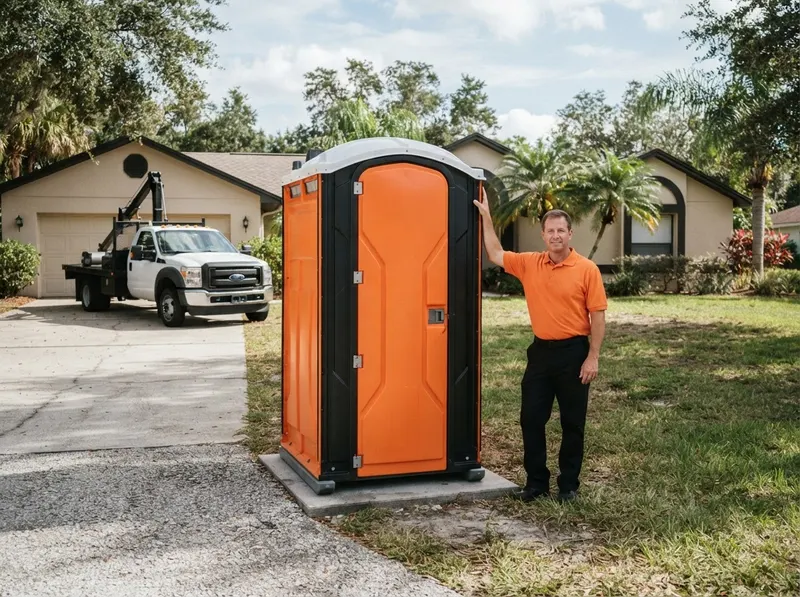
Disaster recovery, sudden municipal sewer breaks, and grid failures require immediate sanitation to prevent biohazard violations and maintain field compliance. When main plumbing lines collapse in the SODO District or storm waters compromise lift stations near Lake Eola Heights, a standard portable restroom rental route cannot meet immediate containment needs. A temporary emergency relief sanitation unit fills this specific operational gap by deploying dedicated haulers outside regular transit schedules. Unlike routine commercial construction rentals planned weeks in advance, these units route directly into staging zones, utility work easements, and emergency municipal corridors on short notice. The units utilize a 60-gallon waste tank pre-dosed with concentrated biocides engineered to withstand Orlando summer surface temperatures exceeding 95 degrees Fahrenheit, preventing rapid bacterial gas expansion.
Site placement during an emergency involves distinct trade-offs between proximity and operational access. Units positioned in residential zones like Delaney Park, Thornton Park, or Audubon Park must remain accessible to a 26-foot vacuum pump service truck without driving heavy axles over saturated lawns or decorative paver aprons. Crews anchor these units on firm asphalt, compacted road base, or curbside turnouts using weighted base skids. If emergency recovery lasts longer than 48 hours, staging too close to downed power lines or storm debris prevents service trucks from pumping the holding tanks. Selecting a placement point within 25 feet of clear vehicular right-of-way maintains daily vacuum access while keeping containment secure against localized flooding.
Planning for unexpected site downtime requires choosing between a standalone containment unit and an integrated station featuring a multi-user foot-pump hand-wash rig. A standalone chemical unit provides the smallest physical footprint for tight right-of-way staging along College Park or Baldwin Park street repairs, but it requires supplementary alcohol gel dispensers to meet emergency worker sanitation codes. An integrated dual-containment package adds dedicated 20-gallon greywater storage and freshwater reserves for continuous skin decontamination. While dual setups require a wider flat footprint of at least 8 by 8 feet, they prevent chemical runoff into sensitive storm drains feeding into the Orlando watershed.
Every job gets a firm, written price after a free on-site visit.
Tell us about your temporary emergency relief sanitation unit job in Orlando and we'll send a clear, written quote, usually the same day.
 Bison Portable Toilets